Prevalent throughout much of the world, especially in areas across North America, mice are woodland mammals characterized by their small size and general pest status. While mice prefer forested areas, they often take refuge and reside in manmade structures. The burrowing and foraging tendencies of mice often results in damaged property and the contamination of food and objects throughout infested homes. The two most common species of mice found in Canada include deer mice (Peromyscus maniculatus) and house mice (Mus musculus).
Identification
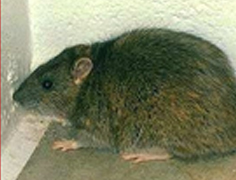
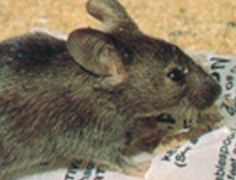
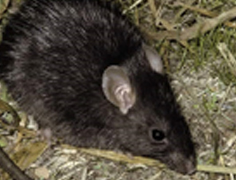
House mice often appear brown or grey, with lighter colouring on the underside of the body. Deer mice also possess brown or grey coats, but with white bellies and tail bottoms. Both species feature oversized ears relative to body size, which typically runs between 150mm and 170mm in length. Much of the body length comes from the characteristic tail each mouse possesses. The tail of the house mouse usually doubles the length of the body, while the tail of the deer mouse represents less than half of the overall body length. Deer mice also display white colouration in the feet, which differs from the pinkish-buff colours that appear on the feet of house mice.
Life Cycle / Reproduction
As mammals, mice give birth to live young after completing a period of gestation, which typically lasts around 20 days. Mice produce offspring in litters of five to six babies. A typical deer mouse or house mouse may produce up to a dozen litters per year. Newborns reach sexual maturity after about a month for females and two months for males. The mating season often lasts from early summer to late fall; however, indoors, mice may breed year-round. The mammals generally live no more than a year.
Problems/Damage
One of the main problems caused by mice includes the overgrowth and rampant surges in colony sizes if left unchecked. The rapid maturation of baby mice into full-grown adults allows the mammal to reproduce at alarming rates, which may result in mice overrunning infested areas. Chewing, biting, and burrowing, which are typical behaviours of both deer mice and house mice, often lead to property damage and food contamination. Mouse feces and urine, in addition to the tracks of detritus the rodents regularly leave behind, serve as the primary means of contaminating surfaces in living areas.
House mice can transmit diseases such as murine typhus, tularemia, lymphocytic chorio-meningitis, and others. Small openings in walls may be progressively widened as the mice begin to multiply and increase activity. As if that is not incentive enough, mice can also damage property by chewing through common building materials such as insulation, siding, and wallboards.